Tengchong’s volcanic terrain and soils
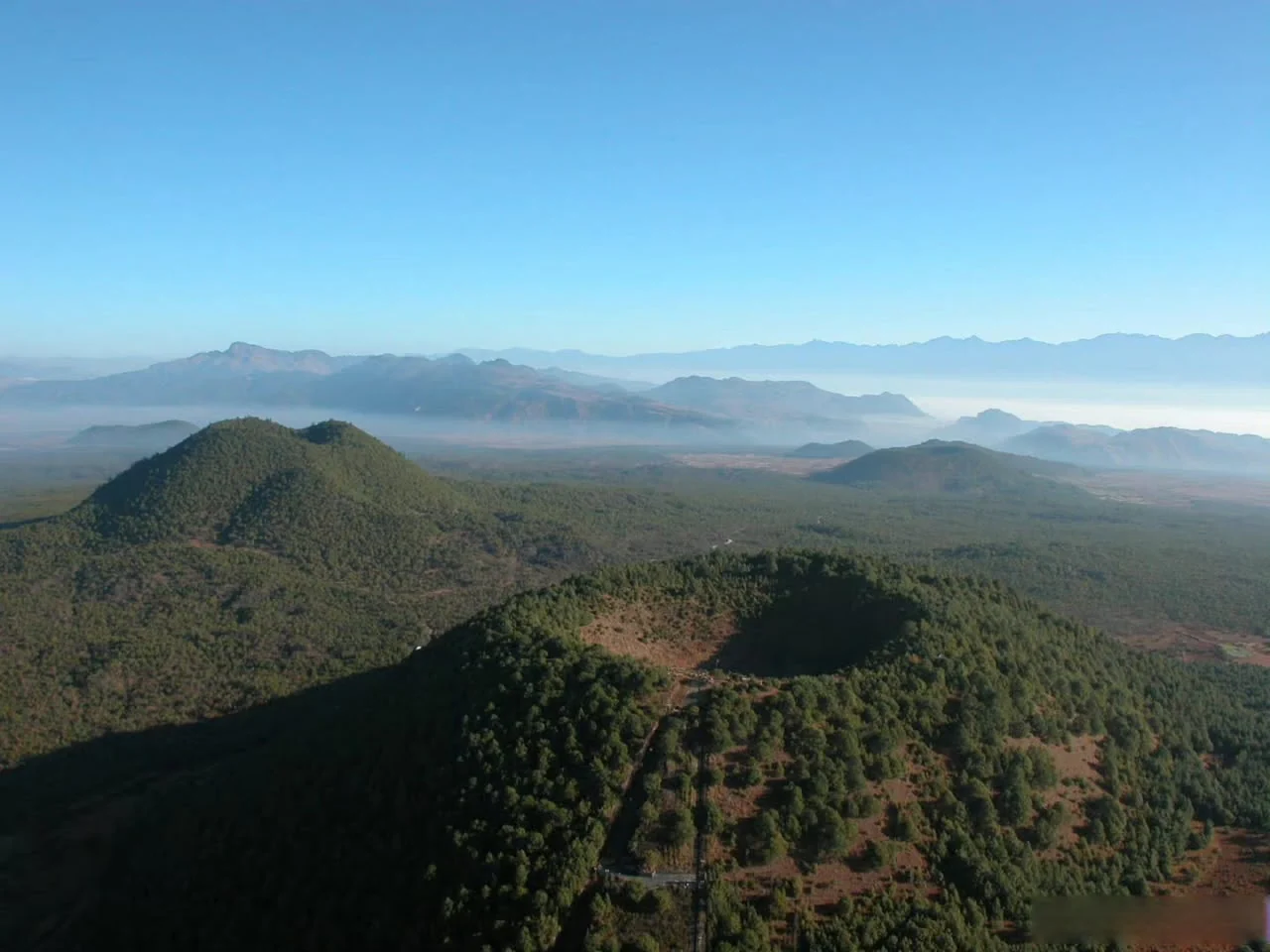
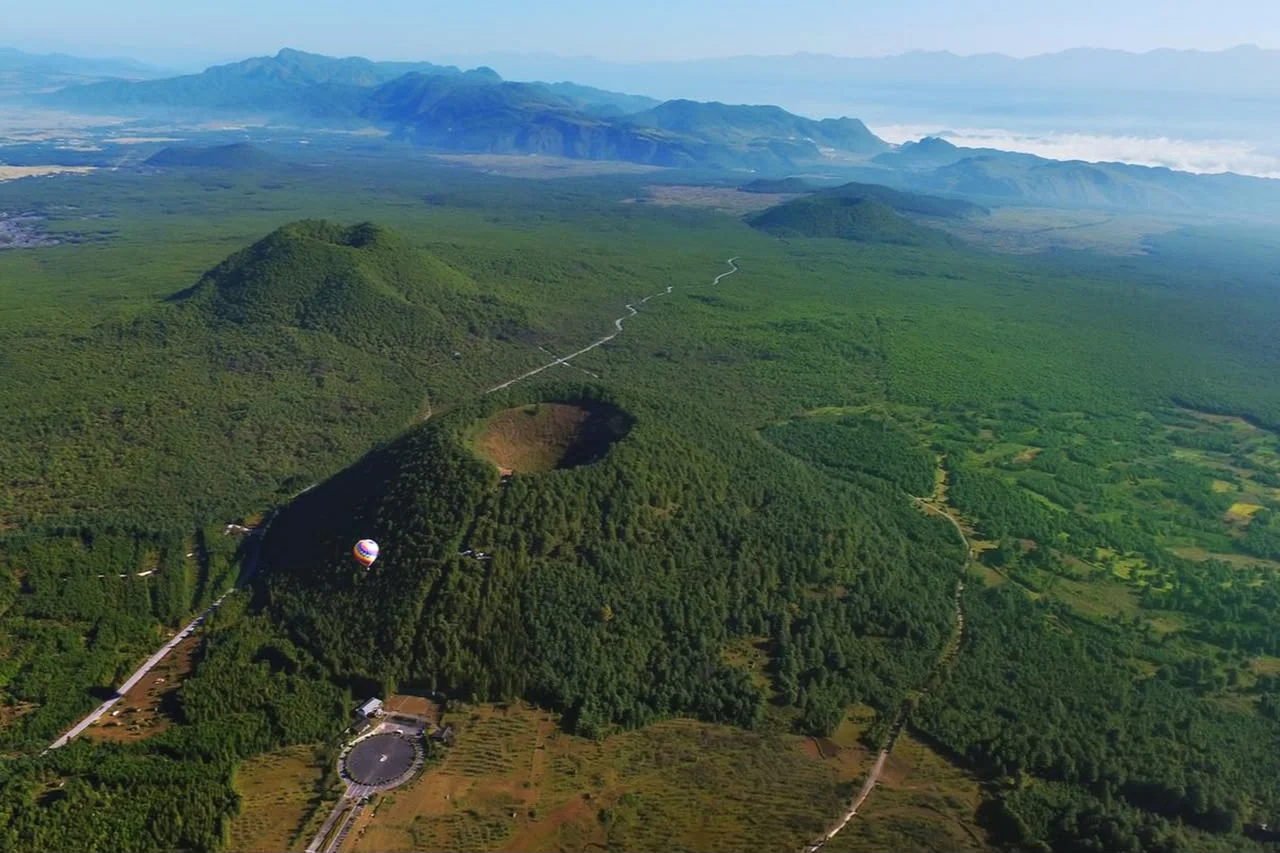
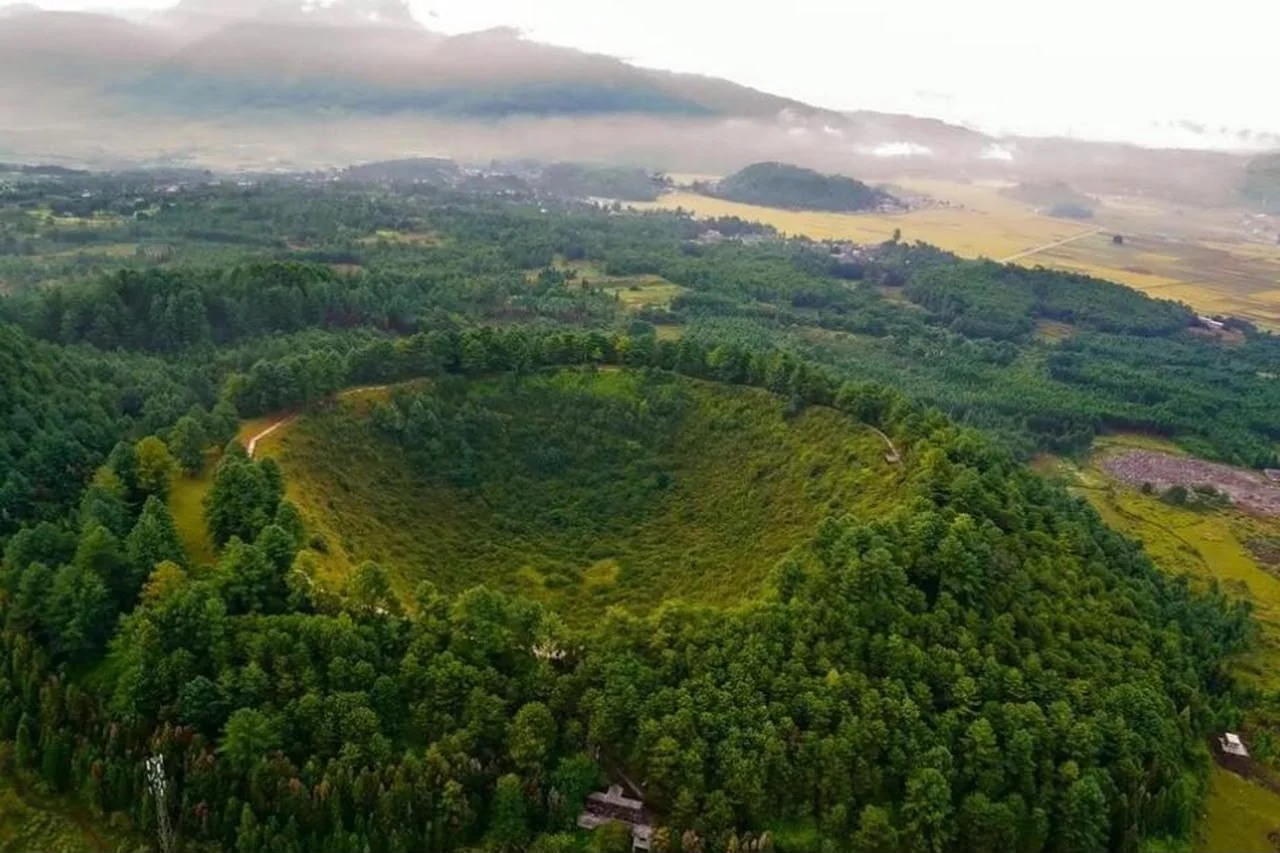
Tengchong is a city in Yunnan Province with unique natural conditions. Located on the western slopes of the Gaoligong Mountains, it is one of mainland China’s most densely concentrated volcanic regions, with 99 volcanoes and 88 hot springs.
Different types of volcanoes are concentrated within a small area and are well preserved, earning Tengchong the name of a natural volcanic geological museum and a place among China’s four largest volcanic groups. Millions of years ago, the collision of tectonic plates formed this unique lava plateau. Summitless volcanic cones stretch for many kilometres. Vast basalt formations weathered into distinctive volcanic soils, becoming an irreplaceable geological foundation for cultivating high-mountain tea bushes.
Soil shaped by volcanoes
Tengchong’s volcanic soils were formed by eruptions and long-term rock weathering. They are loose and porous, with excellent air permeability and drainage, and a slightly acidic reaction ideally suited to tea bushes. The soil contains selenium, magnesium, potassium, calcium and dozens of other mineral trace elements.
Nutrients are released slowly and continuously supplied to tea roots. Unlike ordinary mountain red soils, volcanic soil’s porous structure prevents waterlogging and root rot and reduces the risk of pests. As a result, even without large quantities of chemical fertiliser, the soil gives tea a distinctive volcanic mineral note. This is a crucial natural condition for cultivating high-quality GABA tea.
Altitude and climate
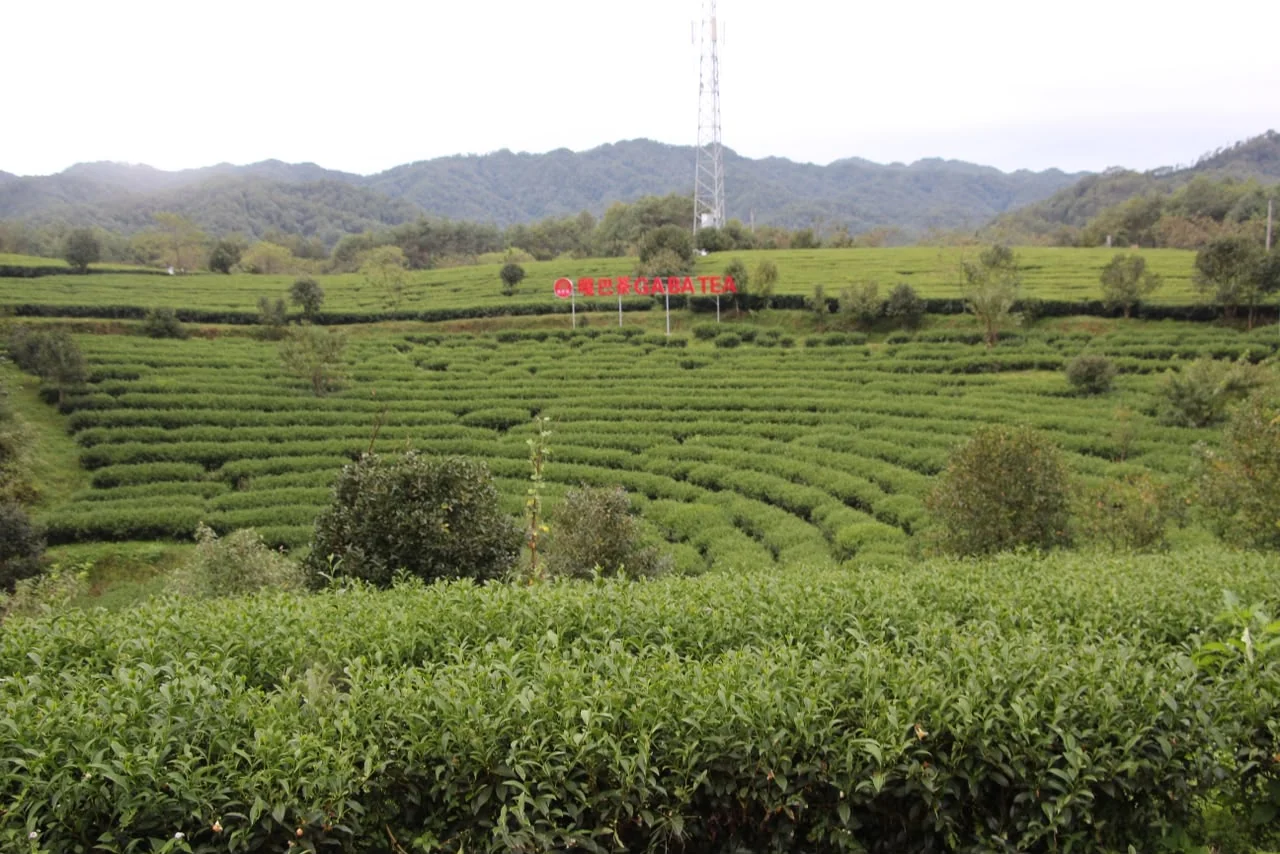
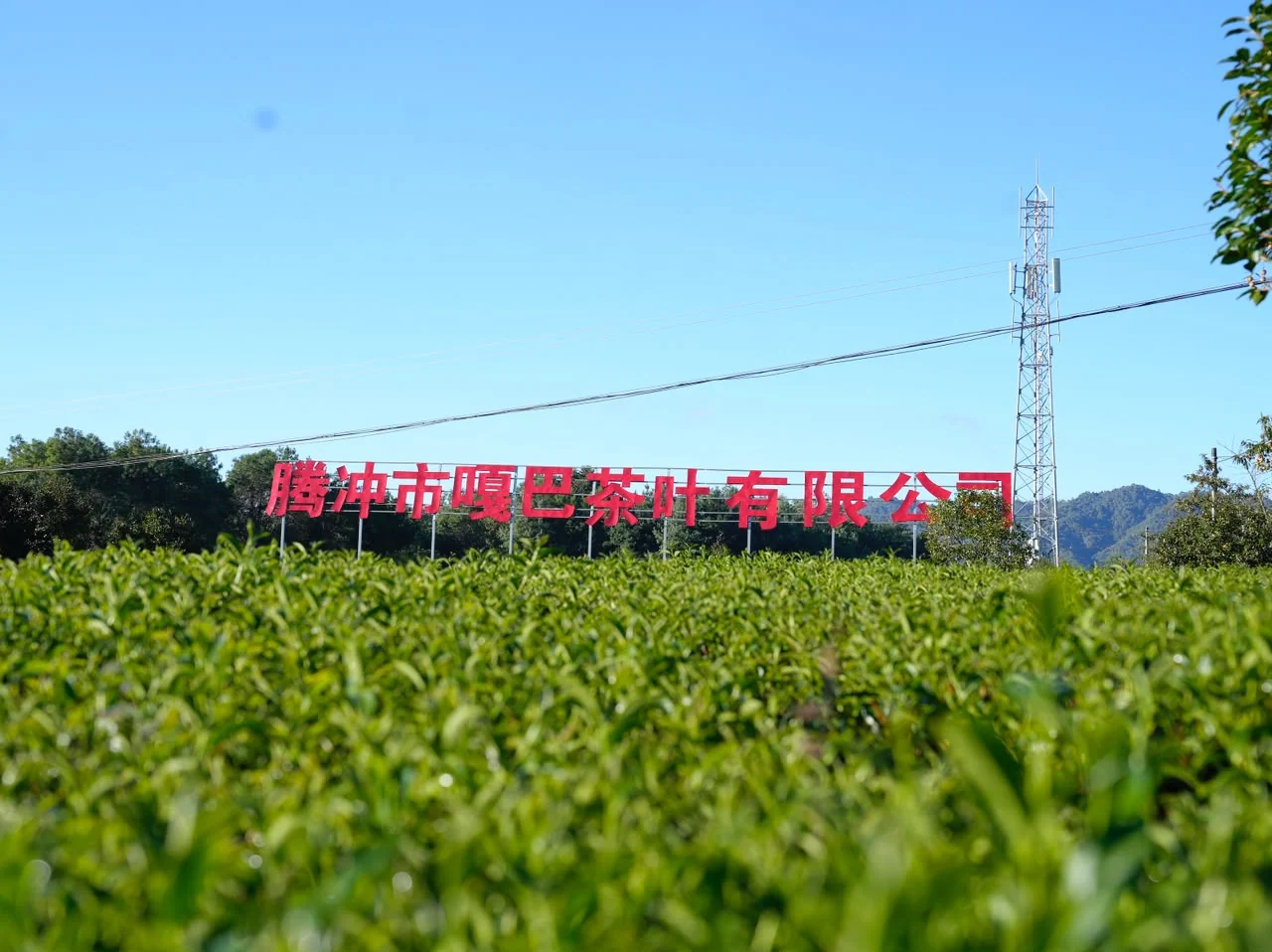
In the high-mountain zone of Tengchong’s volcanic belt, continuous tea plantations lie at 2,300–2,500 metres above sea level, forming one of the world’s rarest tea-growing regions on volcanic soils. This precise altitude range is the principal unique advantage of Tengchong’s plantations.
Forest cover exceeds 80%; mist is almost constant, and diffuse sunlight does not scorch young tea buds. A large day–night temperature range, an extended frost season and a moderately cool climate naturally slow the growth of the bushes. The longer growing period lets leaves gradually accumulate amino acids, polysaccharides, aromatic compounds and polyphenols. Internal nutrient levels rise substantially, and the buds become thick and rich — excellent raw material for anaerobic fermentation in GABA tea production.
Terroir and GABA tea
The combination of high altitude and volcanic soils is the key to the outstanding quality of Tengchong GABA tea. Its production uses anaerobic fermentation, enriching the raw material with natural GABA, gamma-aminobutyric acid. This process places high demands on the biological activity of the raw material and the amino acid content of fresh tea leaves.
Leaves on low-mountain plantations grow rapidly and do not accumulate enough nutrients, making it difficult to obtain highly active GABA tea material from them. In contrast, leaves from Tengchong’s volcanic plantations at 2,300–2,500 metres are rich in amino acids and retain high cellular activity.
During specialised anaerobic processing, this material is efficiently converted to form natural GABA. The finished drink is soft and full, with a clean floral aroma and the characteristic mineral finish of volcanic soil; it offers a rich flavour palette and a high content of functional compounds.
These high-mountain volcanic plantations have retained an intact natural ecosystem and are far from industrial pollution. Ecological cultivation methods include physical pest control, manual weeding and organic fertilisers, following green organic farming standards.
Volcanic terrain, an altitude of 2,300–2,500 metres and the unspoilt Gaoligong ecosystem combine to create Tengchong GABA tea’s unique terroir, noticeably different from products of all other tea regions worldwide. Drawing on its unique volcanic resources, Tengchong is developing its high-mountain tea industry, converting geological advantages into economic ones. GABA tea from plantations at 2,300–2,500 metres is gaining international recognition for its unique terroir and consistently high quality. Tengchong volcanic tea is becoming a distinctive ecological calling card for this border city.